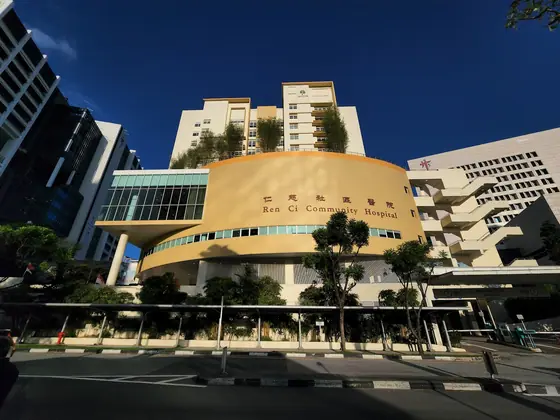
Inpatient hospices in Singapore
MOH-licensed residential palliative care for patients with advanced life-limiting illness. Coverage across the AIC IHPCS network.
What is it?
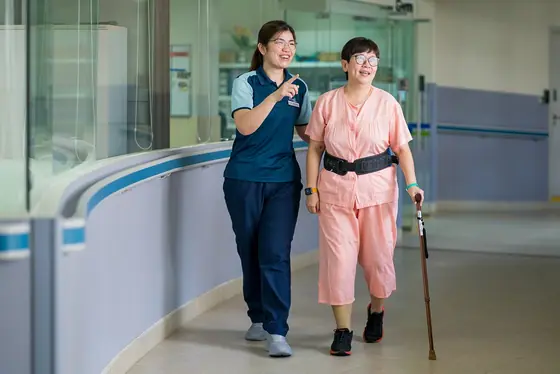
Inpatient Hospice Palliative Care Services (IHPCS) provide 24-hour residential care for patients with advanced cancer, end-stage organ failure, or other life-limiting conditions. Focus is on symptom management, dignity, and comfort — not on curative treatment. Care is provided by multidisciplinary teams including doctors, nurses, social workers, and chaplains.
Who it suits
- Pathway 1 — prognosis of less than 3 months AND require specialised care that cannot be provided at home, a nursing home, or a community setting
- Pathway 2 — prognosis of 12 months or less AND require time-limited admission (up to 28 calendar days) for severe symptoms that cannot be managed in the community
- Families needing respite from intensive end-of-life caregiving
Source: AIC IHPCS page. Verify eligibility with your doctor or AIC.
Find a facility
Central Region (6)
| Facility | Planning area |
|---|---|
| Assisi Hospice | |
| Dover Park Hospice | |
| HCA Hospice | |
| Methodist Hospice Fellowship | |
| Ren Ci Community Hospital | |
| Singapore Hospice Council |
East Region (2)
| Facility | Planning area |
|---|---|
| Asia Pacific Hospice Palliative Care Network | |
| Outram Community Hospital (OCH) |
North Region (2)
| Facility | Planning area |
|---|---|
| Woodlands Hospital | |
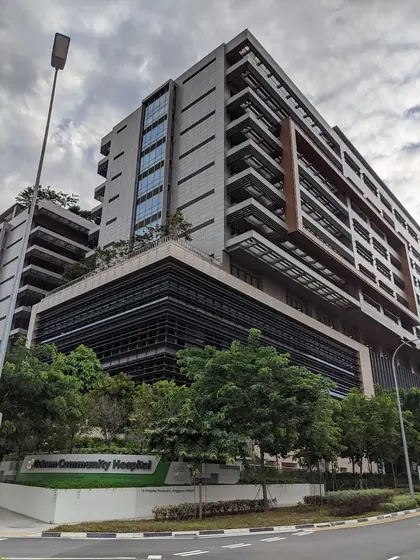
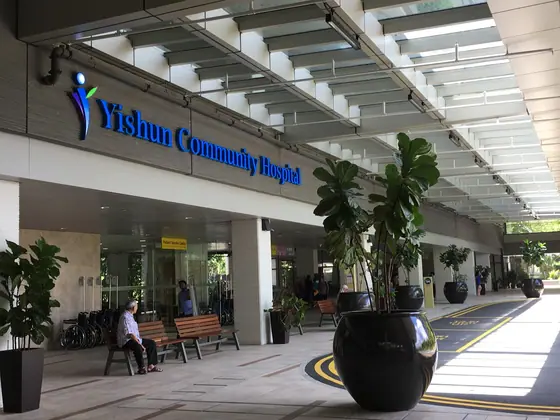
| Yishun Community Hospital (YCH) |
North-East Region (3)
| Facility | Planning area |
|---|---|
| Ang Mo Kio-Thye Hua Kwan Hospital | |
| Metta Hospice Care | |
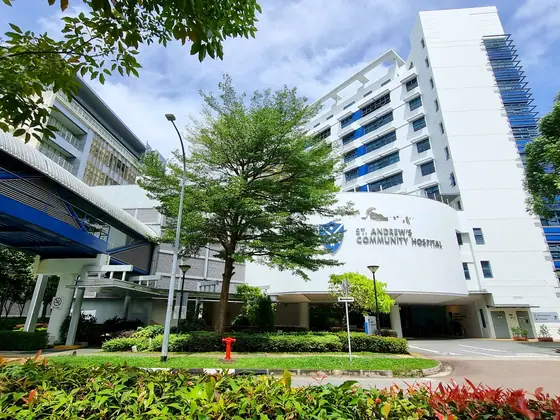
| St. Andrew's Community Hospital (Simei) |
West Region (1)
| Facility | Planning area |
|---|---|
| St Luke's Hospital |
Costs and subsidies
Before subsidies, daily ward rates at VWO-operated inpatient hospices in Singapore typically range from around S$200 to S$350 per day. After the MOH portable subsidy, eligible Singapore Citizens in the lower-income tiers may pay as little as S$15 to S$50 per day, making inpatient hospice care significantly more affordable than the headline rates suggest. Subsidy tier is determined by household income per person means-testing and is available to Singapore Citizens and Permanent Residents. See our subsidy guide for full details.
Frequently asked questions
How is an inpatient hospice different from a nursing home?
Nursing homes provide long-term residential care and many residents stay for years. Inpatient hospices provide end-of-life care for patients with advanced life-limiting illness, with a focus on comfort and dignity rather than rehabilitation. Most hospice stays last weeks to a few months.
How do I refer my parent to an inpatient hospice?
A doctor’s referral is required via AIC’s National Inpatient Hospice Referral (NIHR) system. AIC coordinates placement based on clinical need and bed availability across the network. You can contact AIC’s CareLine at 1800 650 6060 for guidance.
What are IHPCS Pathway 1 and Pathway 2?
Pathway 1 is for patients with a prognosis of less than 3 months who require specialised care that cannot be provided at home or in a community setting. Pathway 2 is for patients with a prognosis of 12 months or less who require a time-limited admission (up to 28 calendar days) for severe symptom management. Source: AIC IHPCS page.
Does MOH subsidise inpatient hospice stays, and how does household income means-testing work?
Yes. IHPCS facilities are subsidised under the MOH portable subsidy scheme for eligible Singapore Citizens and PRs. Subsidy tier is determined by household income per person means-testing — a household’s monthly income is divided by the number of members to arrive at a per-capita figure, which maps to a subsidy tier. The lower the household income, the higher the subsidy. Most VWO-operated hospices (Assisi, Dover Park, HCA, Metta) participate in this scheme.
What if there are no inpatient hospice beds available?
AIC and the care team can arrange home palliative care or day hospice as interim support while awaiting an inpatient bed. AIC’s CareLine (1800 650 6060) can advise on current availability and coordinate alternatives.
Can family members stay overnight, and what should we expect during the stay?
Policies vary by facility, but most inpatient hospices in Singapore allow extended visiting hours and permit a family member to be present overnight during the final days. The multidisciplinary team — including doctors, nurses, social workers, and chaplains — supports both the patient and the family. Grief counselling and bereavement support are typically available after the patient passes.
How does inpatient hospice care compare to home palliative care?
Home palliative care allows a patient to remain in a familiar environment with family, with visiting nurses and doctors providing symptom management. Inpatient hospice is appropriate when symptoms are too complex to manage at home, when the caregiver is not able to cope, or when 24-hour nursing supervision is required. The two services can also be used in sequence — patients sometimes move between them depending on their condition.