Home palliative care in Singapore

Multidisciplinary palliative care delivered at home for patients who prefer to remain in familiar surroundings. Operated by AIC's home-palliative network.

What is it?

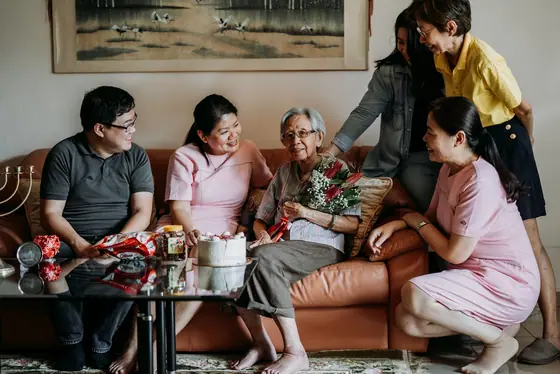
Home palliative care brings a multidisciplinary palliative team to the patient's residence: doctor home visits, nurse home visits, social worker support, and medical equipment as needed. The team manages symptoms, medications, and end-of-life planning while the patient stays at home.

Who it suits

Source: AIC Home Palliative Care page. Verify eligibility with your doctor or AIC.

Find a facility

Central Region (2)

FacilityPlanning area
Lien Foundation
Singapore Hospice Council

East Region (3)

FacilityPlanning area
Asia Pacific Hospice Palliative Care Network
HCA Bedok Centre
HCA Oasis@Outram Day Hospice

North Region (1)

FacilityPlanning area
HCA Woodlands Centre

North-East Region (2)

FacilityPlanning area
HCA Hougang Centre
Metta Hospice Care

Costs and subsidies

Home palliative care in Singapore is delivered mainly by Voluntary Welfare Organisations (VWOs) such as HCA Hospice, Singapore Cancer Society, and Metta Welfare Association, and is free or heavily subsidised for most Singapore Citizens and Permanent Residents. Unsubsidised visit fees typically range from around $80 to $150 per doctor home visit and $50 to $80 per nurse visit, but most eligible families pay well below these rates after subsidy. MOH’s portable subsidy via household income per person means-testing is available for eligible Singapore Citizens and PRs, with higher subsidy tiers for lower-income households. See our subsidy guide for full details.

Subsidy questions? We have a separate plain-English explainer of MOH subsidies, CareShield Life, MediSave, and household income tiers. Read the subsidy guide →

Frequently asked questions

Who qualifies for home palliative care in Singapore?

Patients must be homebound due to a serious illness diagnosed by a doctor, have a prognosis of less than 12 months, prefer to remain at home, have a family caregiver able to be present, and have symptoms manageable without 24-hour inpatient supervision. A referral from a hospital doctor, polyclinic doctor, or AIC is required. Source: AIC Home Palliative Care page.

How much does home palliative care cost?

Most VWO-operated home palliative services charge between $0 and $50 per visit after subsidy for eligible Singapore Citizens and PRs. MOH’s portable subsidy via household income means-testing reduces costs significantly, and some providers offer fully subsidised care for lower-income households. Contact AIC at 1800-650-6060 or the individual provider to confirm your means-tested copayment tier.

How do I arrange home palliative care for a family member?

Ask your hospital doctor, specialist, or polyclinic doctor for a referral to AIC or directly to a home palliative provider. AIC’s Care Navigator service (1800-650-6060) can guide families through the referral process and help match the patient to the most appropriate provider based on location and needs.

What can we expect during home visits?

A multidisciplinary team visits your home on a scheduled basis. The doctor manages symptoms and reviews medications; the nurse provides wound care, administers medications, and monitors the patient’s condition; and a medical social worker helps with emotional support, caregiver training, and advance care planning. Medical equipment such as hospital beds, oxygen concentrators, and syringe drivers can be arranged for home use at low or no cost.

Is the MOH portable subsidy available for home palliative care?

Yes. MOH’s portable subsidy via household income means-testing is available for eligible Singapore Citizens and Permanent Residents receiving home palliative care from approved VWO providers. Subsidy rates increase for lower-income households. Families may additionally tap the Home Caregiving Grant (up to $400 per month) and MediSave under the MediSave Care scheme to offset out-of-pocket costs.

How does home palliative care compare to inpatient hospice or day hospice?

Home palliative care allows the patient to remain at home with family throughout, which is the preferred setting for many patients and families. Inpatient hospice is better suited when symptoms cannot be safely managed at home or when caregivers need respite from round-the-clock care. Day hospice offers structured daytime programmes three to five days a week and provides respite for caregivers while the patient receives therapy and social support. Many patients use a combination — home visits alongside day hospice — as needs change over time.

What happens if my family member’s condition deteriorates suddenly?

Home palliative teams provide on-call nurse phone support around the clock and can arrange urgent home visits or direct admission to a partner inpatient hospice or hospital. Families should discuss the emergency plan and end-of-life care preferences with the team at enrolment, including completing an Advance Care Plan (ACP) and documenting resuscitation preferences. Having this plan in place reduces unnecessary emergency department visits.

Related care types

Inpatient hospices Day hospice Home nursing

Last fact-checked: 9 June 2026. See the latest audit report for sources and methodology.