Active Ageing in Singapore
26 facilities · Filter by town or region, or switch to map view
An Active Ageing Centre (AAC) is a drop-in community centre running social, wellness, and light-exercise programmes for seniors who live at home. It is not residential care.
AACs are AIC-funded and typically free or low-cost. They suit independent seniors who want to stay active and connected close to home.
Care Corner Active Ageing Centre (TP106)
Central
Day Care Active Ageing
Before-subsidy fees typically SGD 945–SGD 1,430/month
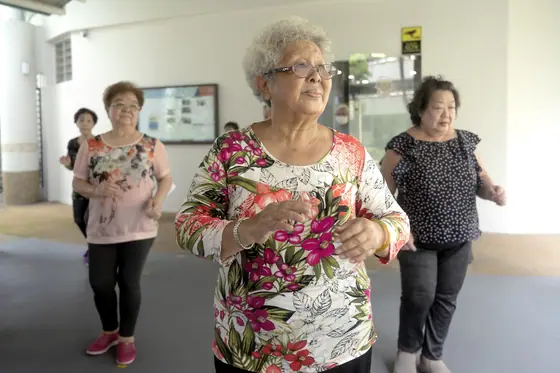
MWS Active Ageing Centre – Teck Ghee Vista
North-East
Day Care Active Ageing
Before-subsidy fees typically SGD 945–SGD 1,430/month
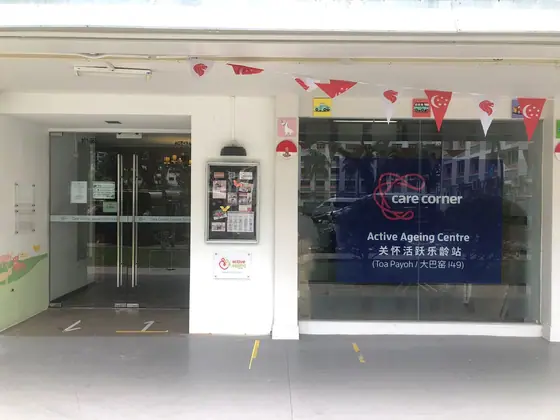
Care Corner Active Ageing Centre (TP149)
Central
Day Care Active Ageing
Before-subsidy fees typically SGD 945–SGD 1,430/month
NTUC Health Active Ageing Centre (Care) (Heartbeat@Bedok)
East
Active Ageing
Active Ageing Centre activities are largely free or charge a
NTUC Health Active Ageing Centre
West
Active Ageing
Active Ageing Centre activities are largely free or charge a
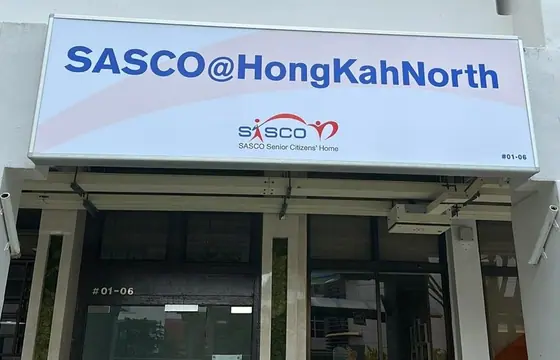
SASCO@HongKahNorth
Central
Active Ageing
Active Ageing Centre activities are largely free or charge a
NTUC Health Active Ageing Centre (Care) (Wisma Geylang Serai)
East
Active Ageing
Active Ageing Centre activities are largely free or charge a
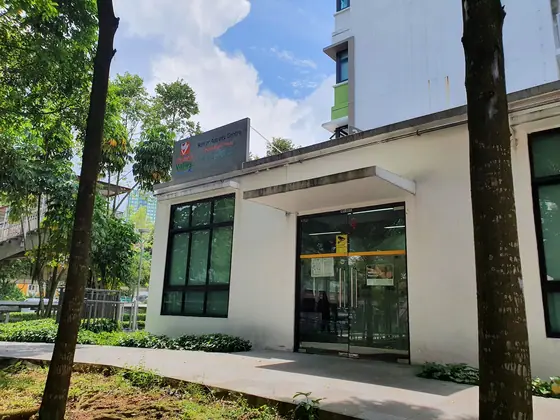
Orange Valley Active Ageing Centre@ Woodlands Peak
North
Active Ageing
Active Ageing Centre activities are largely free or charge a
Active Global @ Ghim Moh Edge Active Ageing Centre (Care)
Central
Active Ageing
Active Ageing Centre activities are largely free or charge a
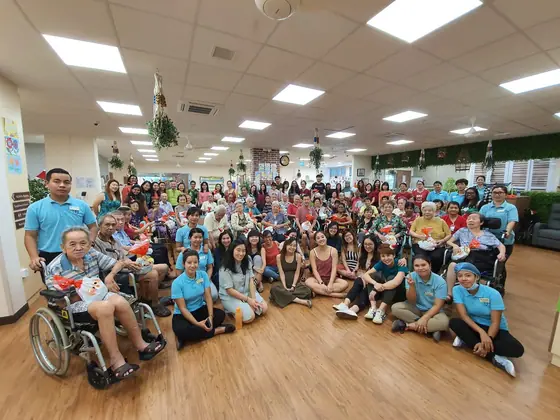
Active Global @ Telok Blangah Parcview Active Ageing Centre (Care)
Central
Day Care Active Ageing
Before-subsidy fees typically SGD 945–SGD 1,430/month
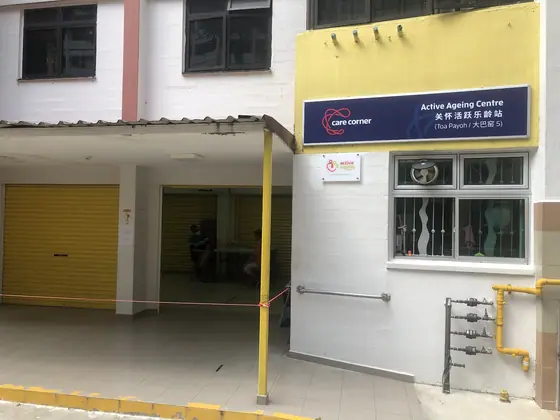
Care Corner Active Ageing Centre (TP5)
Central
Day Care Active Ageing
Before-subsidy fees typically SGD 945–SGD 1,430/month
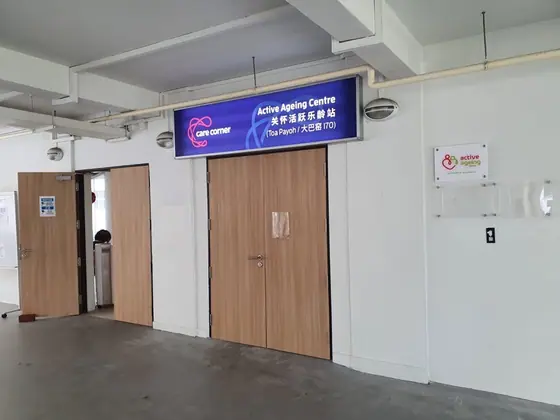
Care Corner Active Ageing Centre (TP170)
Central
Day Care Active Ageing
Before-subsidy fees typically SGD 945–SGD 1,430/month
NTUC Health Active Ageing Centre (Care) (Tampines)
North-East
Active Ageing
Active Ageing Centre activities are largely free or charge a
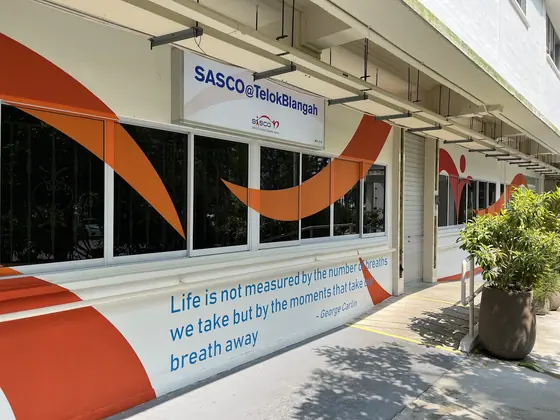
SASCO@TelokBlangah
Central
Active Ageing
Active Ageing Centre activities are largely free or charge a
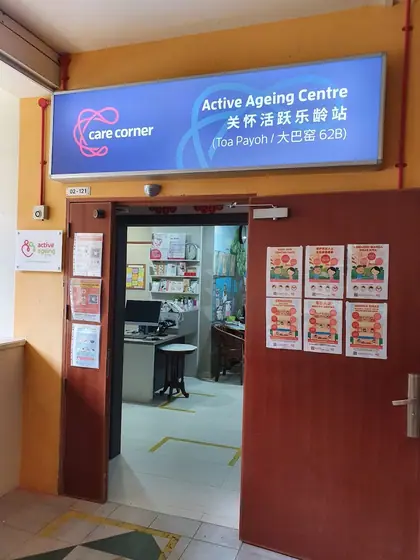
Care Corner Active Ageing Centre (TP62B)
Central
Day Care Active Ageing
Before-subsidy fees typically SGD 945–SGD 1,430/month
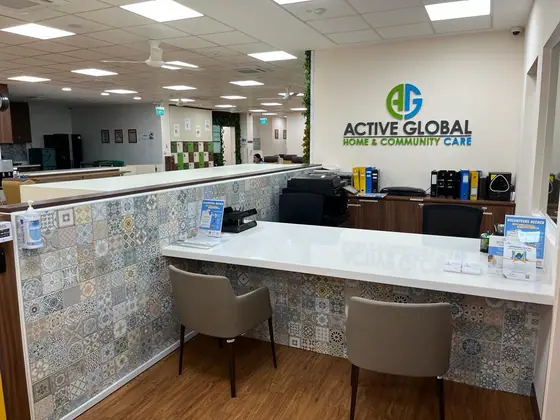
Active Global @ Fernvale Glades Active Ageing Centre (Care)
North
Active Ageing
Active Ageing Centre activities are largely free or charge a
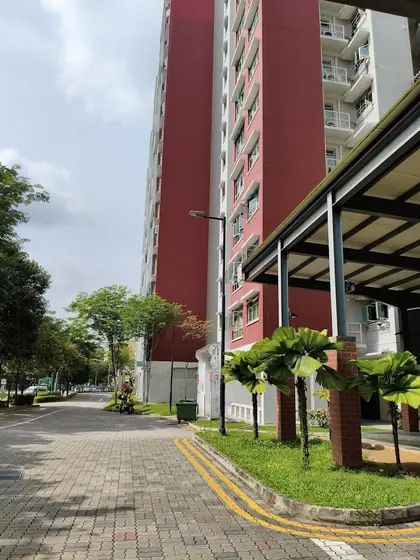
NTUC Health Active Ageing Centre (Care) (Bukit Batok West)
West
Active Ageing
Active Ageing Centre activities are largely free or charge a
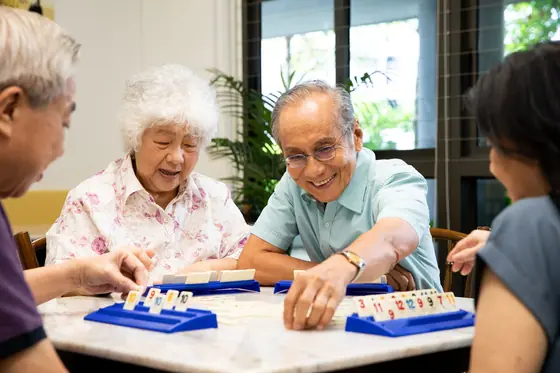
NTUC Health Active Ageing Centre (Pioneer)
West
Active Ageing
Active Ageing Centre activities are largely free or charge a
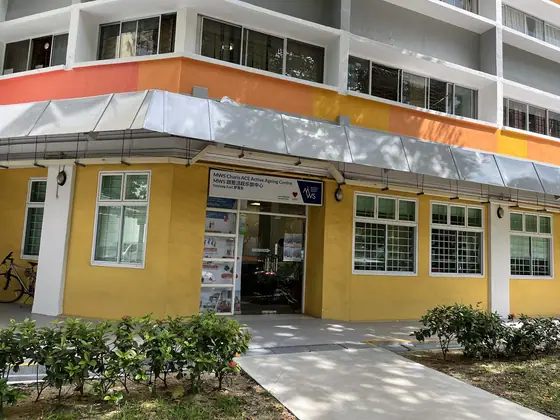
MWS Charis ACE Active Ageing Centre – Geylang East
Central
Active Ageing
Active Ageing Centre activities are largely free or charge a
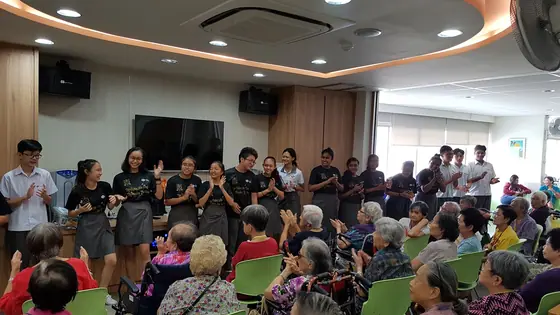
St Luke's ElderCare Active Ageing Centre (Care) @ Clementi
Central
Active Ageing
Active Ageing Centre activities are largely free or charge a
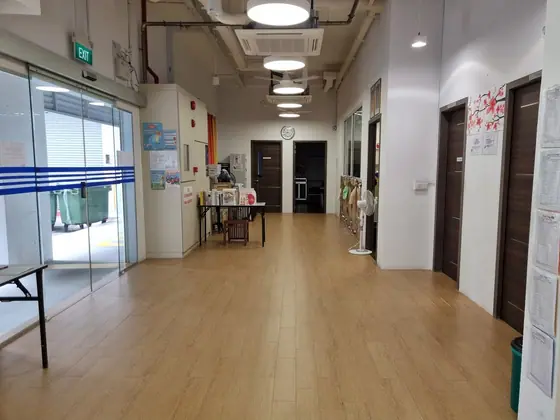
Allkin Active Ageing Centre @ Sin Ming 410 – Senior Activity Centre
Central
Day Care Active Ageing
Before-subsidy fees typically SGD 945–SGD 1,430/month
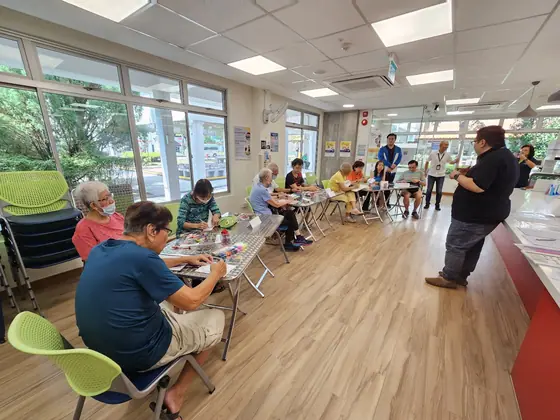
St Luke's ElderCare Active Ageing Centre (Care) @ Bishan
Central
Active Ageing
Active Ageing Centre activities are largely free or charge a
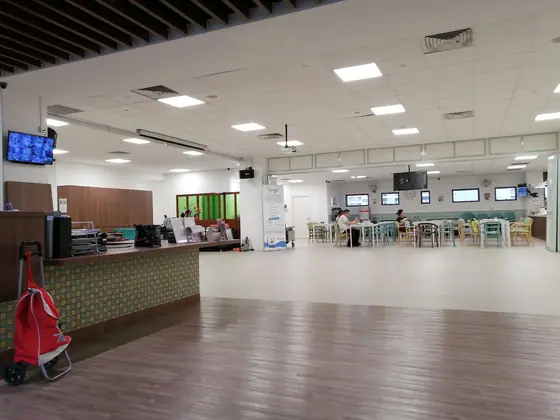
NTUC Health Active Ageing Centre (Care) (Kampung Admiralty)
North
Active Ageing
Active Ageing Centre activities are largely free or charge a
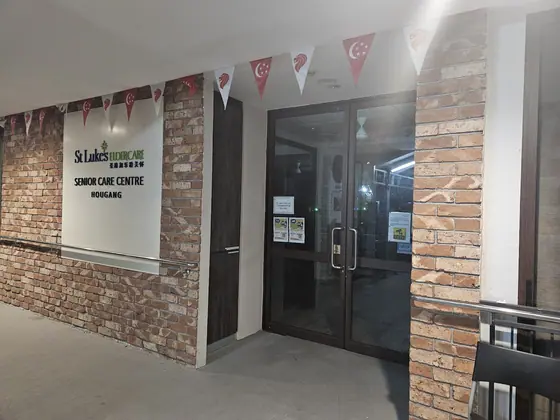
St Luke's ElderCare Active Ageing Centre (Care) @ Hougang
North-East
Active Ageing
Active Ageing Centre activities are largely free or charge a
PCS Cedar Tree AAC @ Jalan Bukit Merah
East
Active Ageing
Active Ageing Centre activities are largely free or charge a
NTUC Health Active Ageing Centre (Bukit Panjang)
West
Active Ageing
Active Ageing Centre activities are largely free or charge a
A Active Global @ Fernvale Glades Active Ageing Centre (Care) · Active Global @ Ghim Moh Edge Active Ageing Centre (Care) · Active Global @ Telok Blangah Parcview Active Ageing Centre (Care) · Allkin Active Ageing Centre @ Sin Ming 410 – Senior Activity Centre
C Care Corner Active Ageing Centre (TP106) · Care Corner Active Ageing Centre (TP149) · Care Corner Active Ageing Centre (TP170) · Care Corner Active Ageing Centre (TP5) · Care Corner Active Ageing Centre (TP62B)
N NTUC Health Active Ageing Centre · NTUC Health Active Ageing Centre (Bukit Panjang) · NTUC Health Active Ageing Centre (Care) (Bukit Batok West) · NTUC Health Active Ageing Centre (Care) (Heartbeat@Bedok) · NTUC Health Active Ageing Centre (Care) (Kampung Admiralty) · NTUC Health Active Ageing Centre (Care) (Tampines) · NTUC Health Active Ageing Centre (Care) (Wisma Geylang Serai) · NTUC Health Active Ageing Centre (Pioneer)
Common questions
Is an Active Ageing Centre residential?
No — AACs are drop-in community programmes. Your parent lives at home and attends activities at a centre nearby.
What does an Active Ageing Centre cost?
AACs are AIC-funded and are usually free or low-cost. Check the specific centre for details.